
2025-2026 Portfolio
Goals
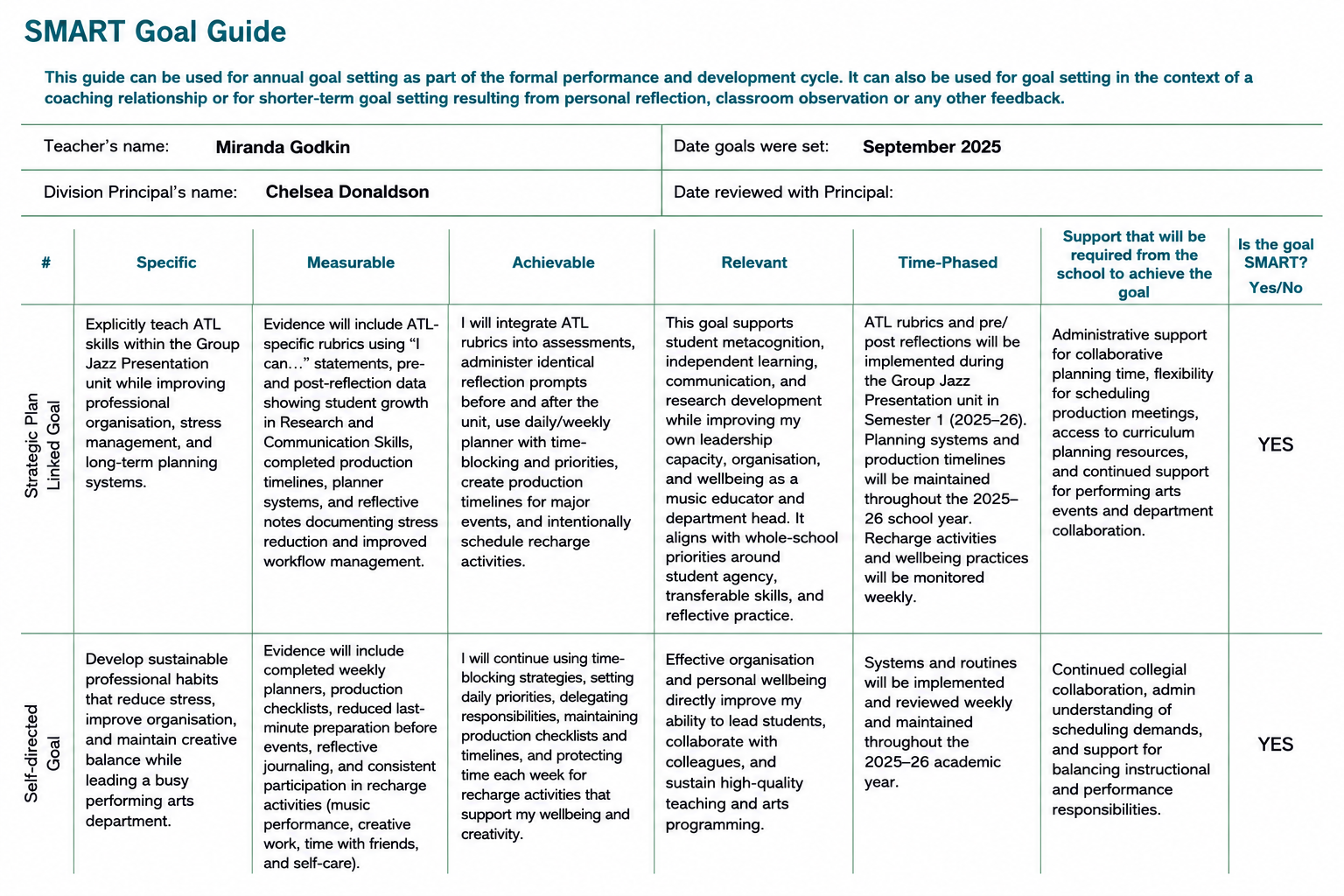
Smart Goal Guide 2025-2026
Professional Growth Goal: Explicit teaching of ATLs and measuring growth
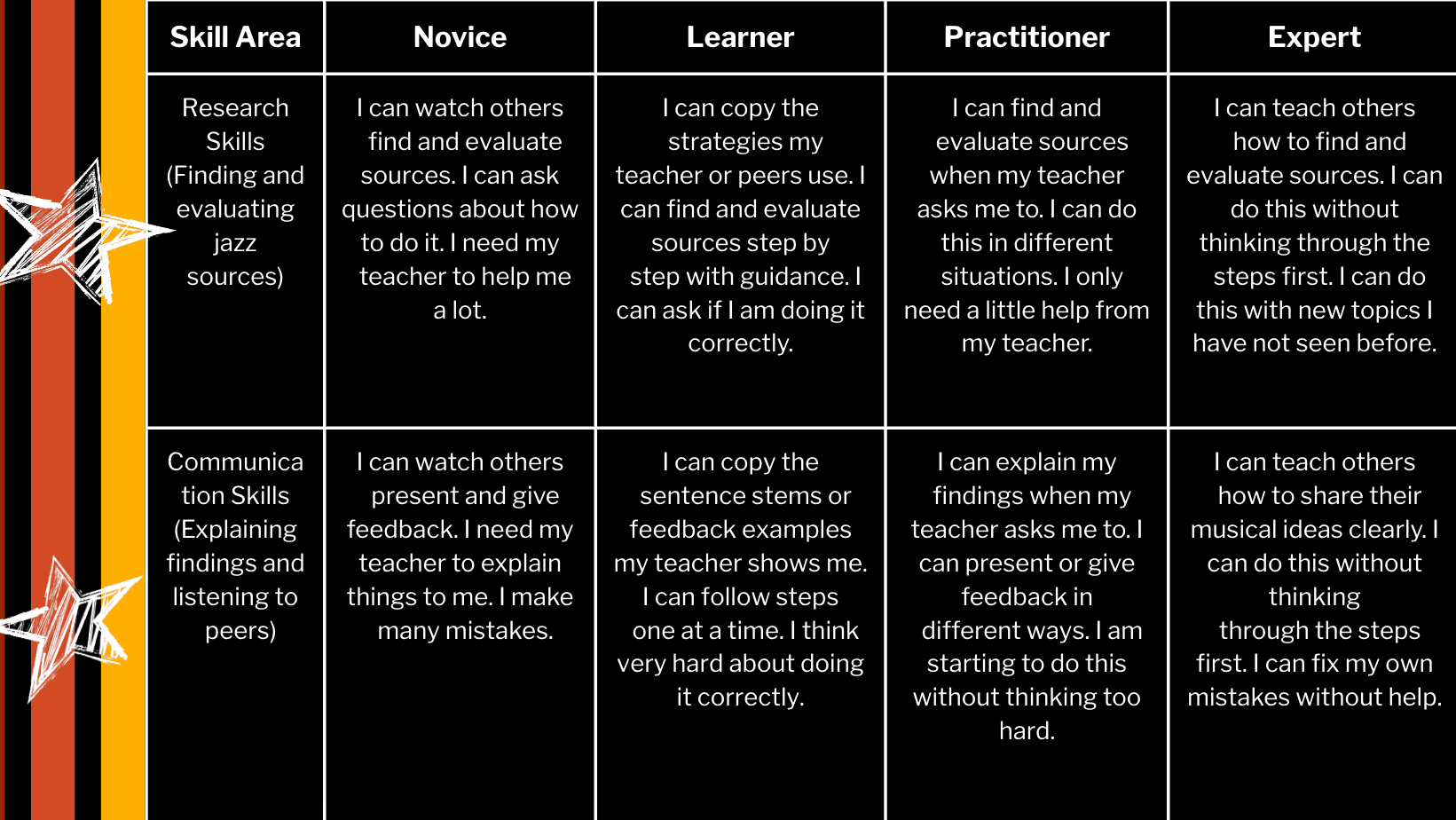
ATL Rubric 2025-2026
ATL Specific Rubric Checklist
For the Group Jazz Presentation unit, I developed or adapted a rubric that assessed ATL skills alongside artistic content, specifically focusing on Research Skills and Communication Skills. I wrote this rubric in clear, easy-to-understand language using "I can..." statements, which enabled students to self-assess effectively and take ownership of their learning. For example, the Research Skills criteria included statements such as "I can locate credible sources about my chosen jazz artist" and "I can evaluate how musical influences shaped the artist's style." The Communication Skills criteria included "I can clearly explain my research findings to my group" and "I can listen actively and respond respectfully to peer feedback." By integrating ATL skills directly into the assessment tool, I made the implicit explicit and ensured that students recognized the value of these transferable skills alongside their musical development.
Pre- and Post-Reflections
To measure student growth in ATL skills, I will administer identical reflection prompts at the beginning and end of the Group Jazz Presentation unit. A sample prompt might ask students to rate their confidence in independently practicing or researching on a scale of one to five and to explain their rating with a specific example from their experience. By collecting these reflections before and after the unit, I will be able to compile data that shows individual and aggregate shifts in student self-perception, such as a student moving from a confidence rating of two to a four after receiving explicit instruction on research strategies. These reflections will serve as powerful evidence of measurable growth and will also help students develop metacognitive awareness of their own skill development over time.
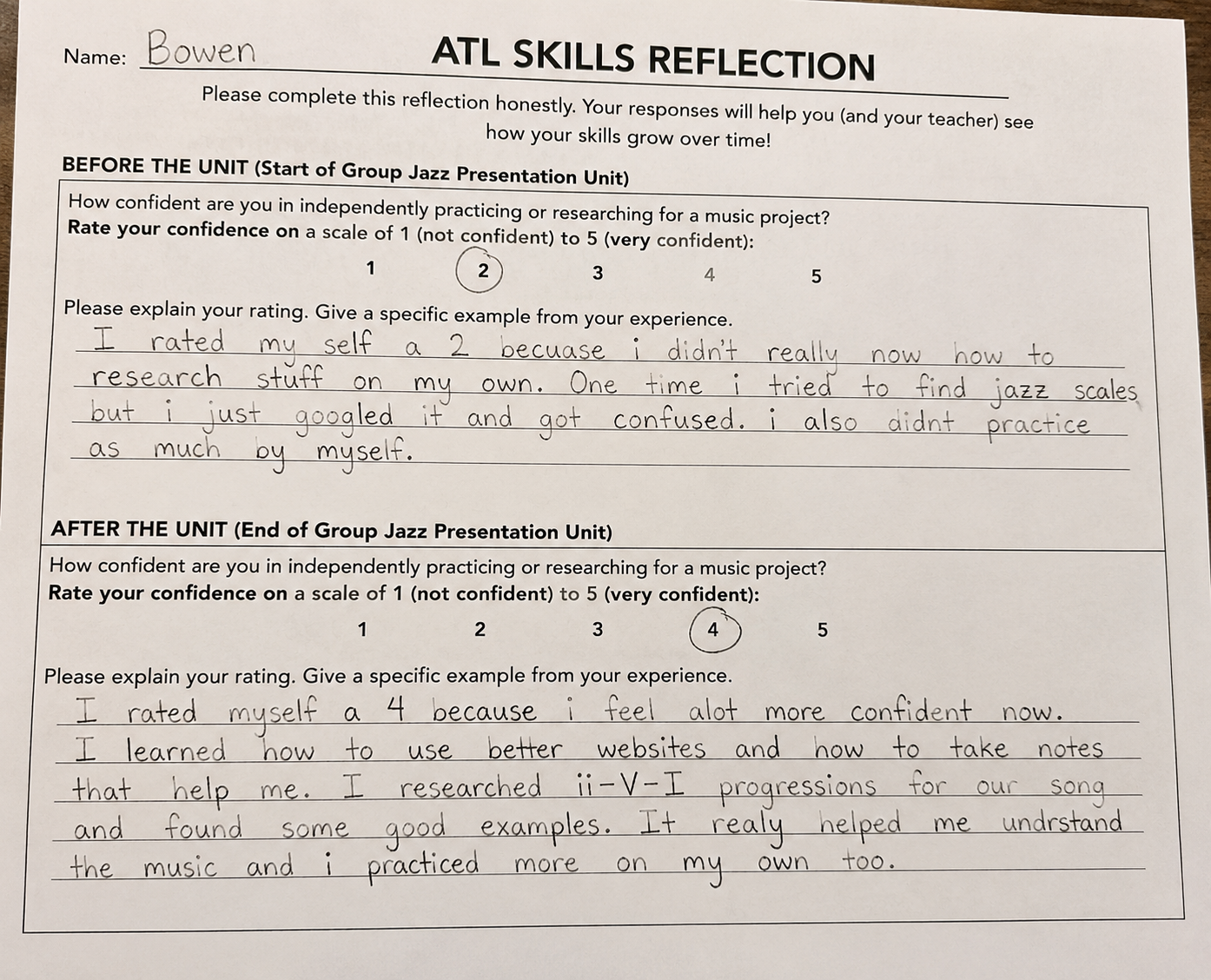
Pre- and Post-Reflections 2025-2026
Personal Growth Goal: Avoid Burnout, Managing Stress, and Prioritizing Effectively
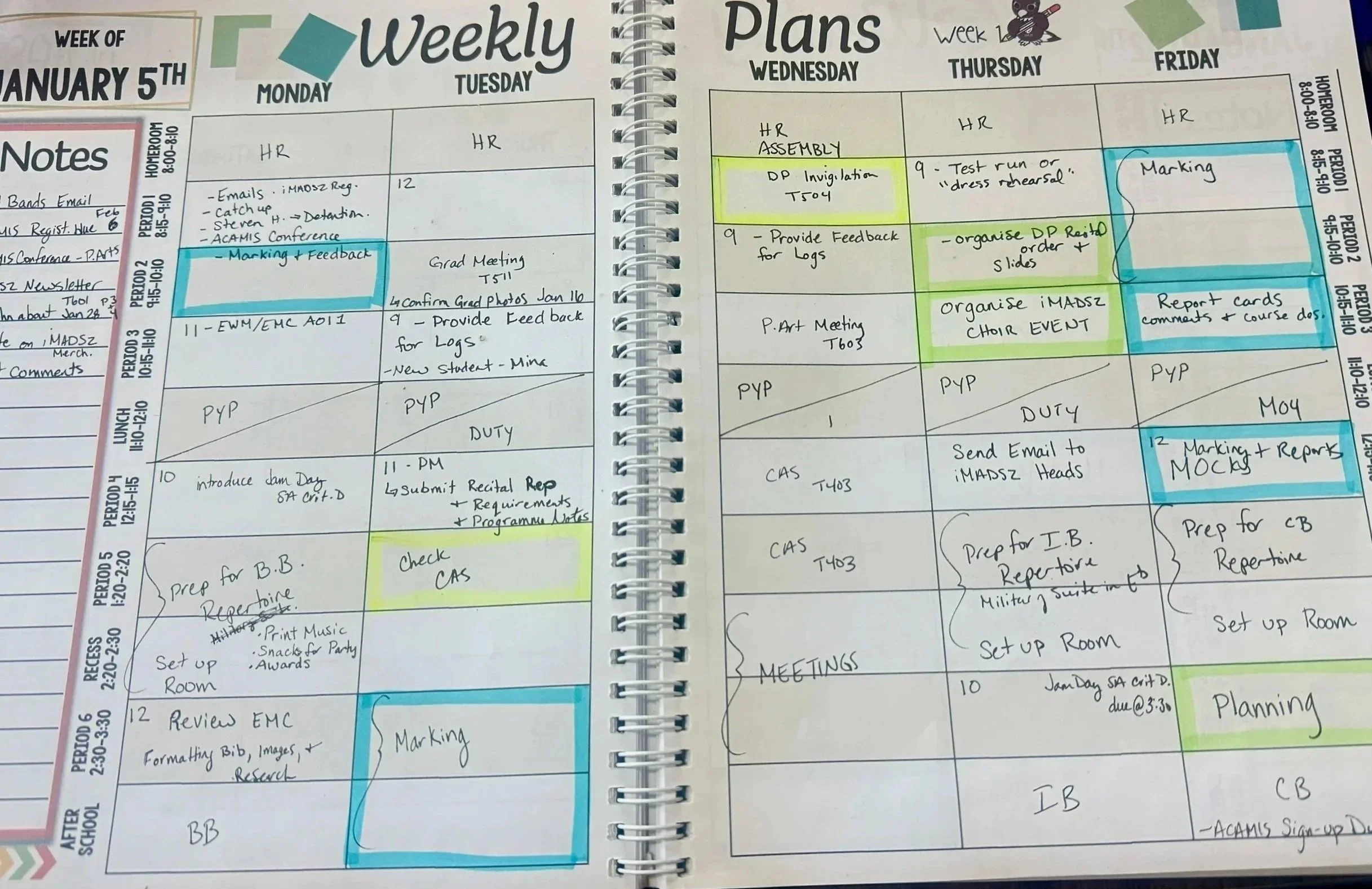
Daily/ Weekly Planner 2025-2026
Daily/ Weekly Planner
I used a daily or weekly planner to strategically plan my time during the school day. This ensured that essential tasks such as marking, lesson planning, attending meetings, and documenting curriculum including Scheme of Work and MYP day plans were intentionally scheduled rather than left to chance. I used time blocking for specific periods of deep work. I identified my top three priorities each day. I also set a clear end of workday boundary. These actions reduced the sense of overwhelm that comes from a never ending to do list. I used colour coding to highlight how I allocated my time. This proved that proactive planning directly supported stress reduction and effective prioritisation. However, this did not always work as unplanned meetings arose, additional requests/ tasks were introduced, etc.
IB Educator Capabilities
Arts Week Timeline 2025-2026
Collaboration
To prevent the last minute chaos that often accompanies large scale performing arts events, I created structured production timelines for major occasions such as Arts Week and concert series. Each timeline mapped out all necessary tasks. I assigned ownership to specific individuals including delegated responsibilities to colleagues and student leaders. I also established internal deadlines well in advance of the final event date. For example, the Arts Week 2026 timeline included milestones such as confirming program details by March 5, finalising the student list by March 9, sending the timed schedule home to students and teachers by April 6, displaying posters and sending programs for printing by April 10, and completing the Keynote by April 13. I also created an additional checklist for myself that included sending a request for the Principal's opening and closing remarks, confirming permission to use classrooms as holding rooms, creating auditorium seating charts, scheduling mic and tech settings with each ensemble, and sending information home to parents about schedule, attire, and requirements. Each milestone had a clear due date and a responsible person. By systematically breaking down an overwhelming event into manageable, time phased steps, this timeline reduced my personal stress, improved team coordination, and ensured that nothing critical was forgotten until the final hours.
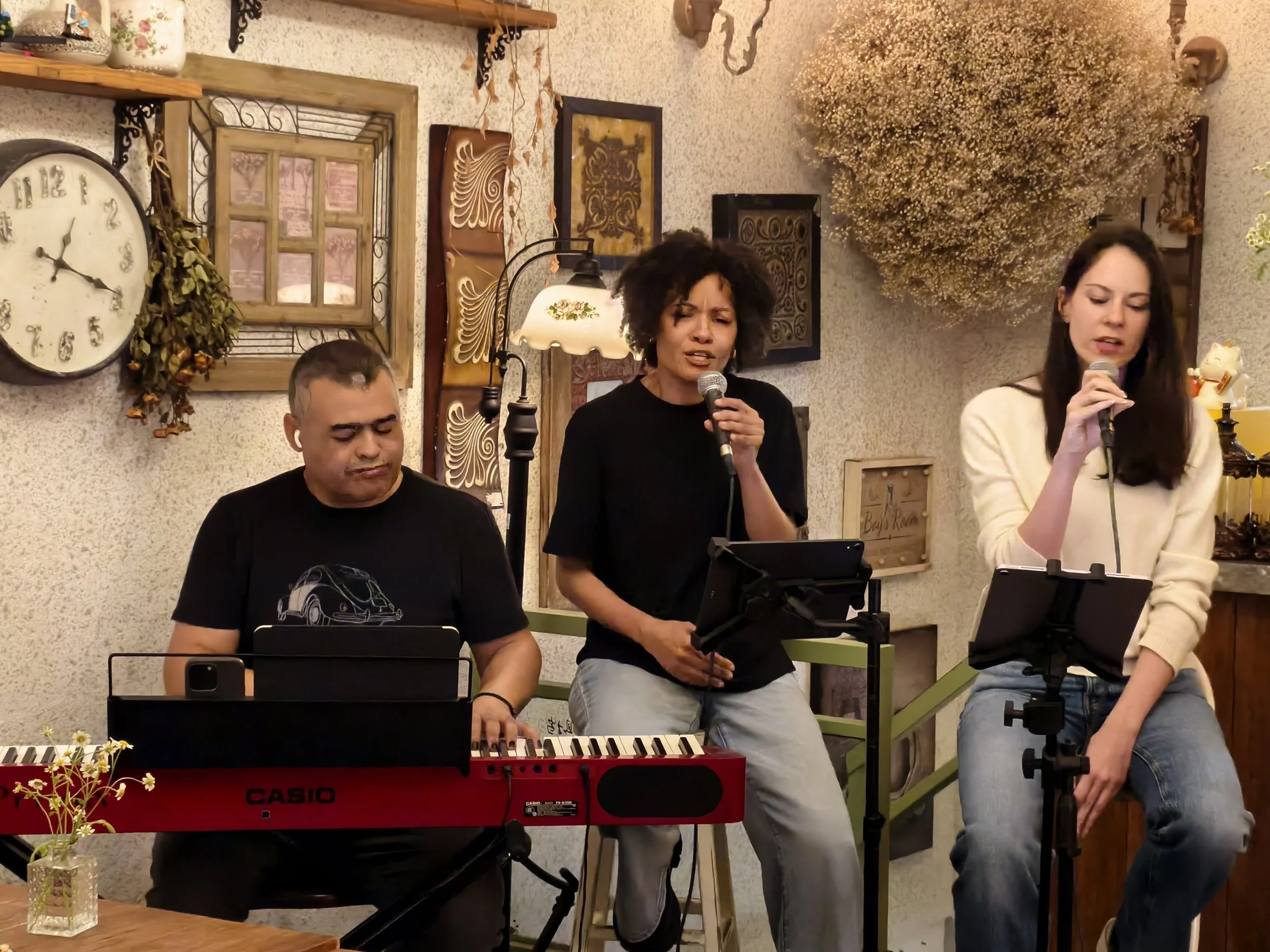
Lucidus Performance - May 2026
Recharge Activities
I recognised that sustained creativity and effective teaching require intentional rest. Therefore I regularly engaged in non work activities that replenished my energy and made space for my identity beyond being a teacher and department head. These recharge activities included playing an instrument purely for enjoyment rather than for an upcoming performance, spending time with friends, and attending concerts. I also made time to perform regularly with my group Lucidus, including working on small recording projects that allowed me to be a musician rather than a music teacher. Additionally I collaborated with the teacher band, Five after 4, which gave me the chance to make music with colleagues in a low pressure, social setting. At home I cared for my rescue cats, an activity that provided calm and routine at the end of busy school days. As a result I showed up as a more patient, creative, and present educator for my students and a more effective leader for my department.
Observations
Principal Observation - November 2025
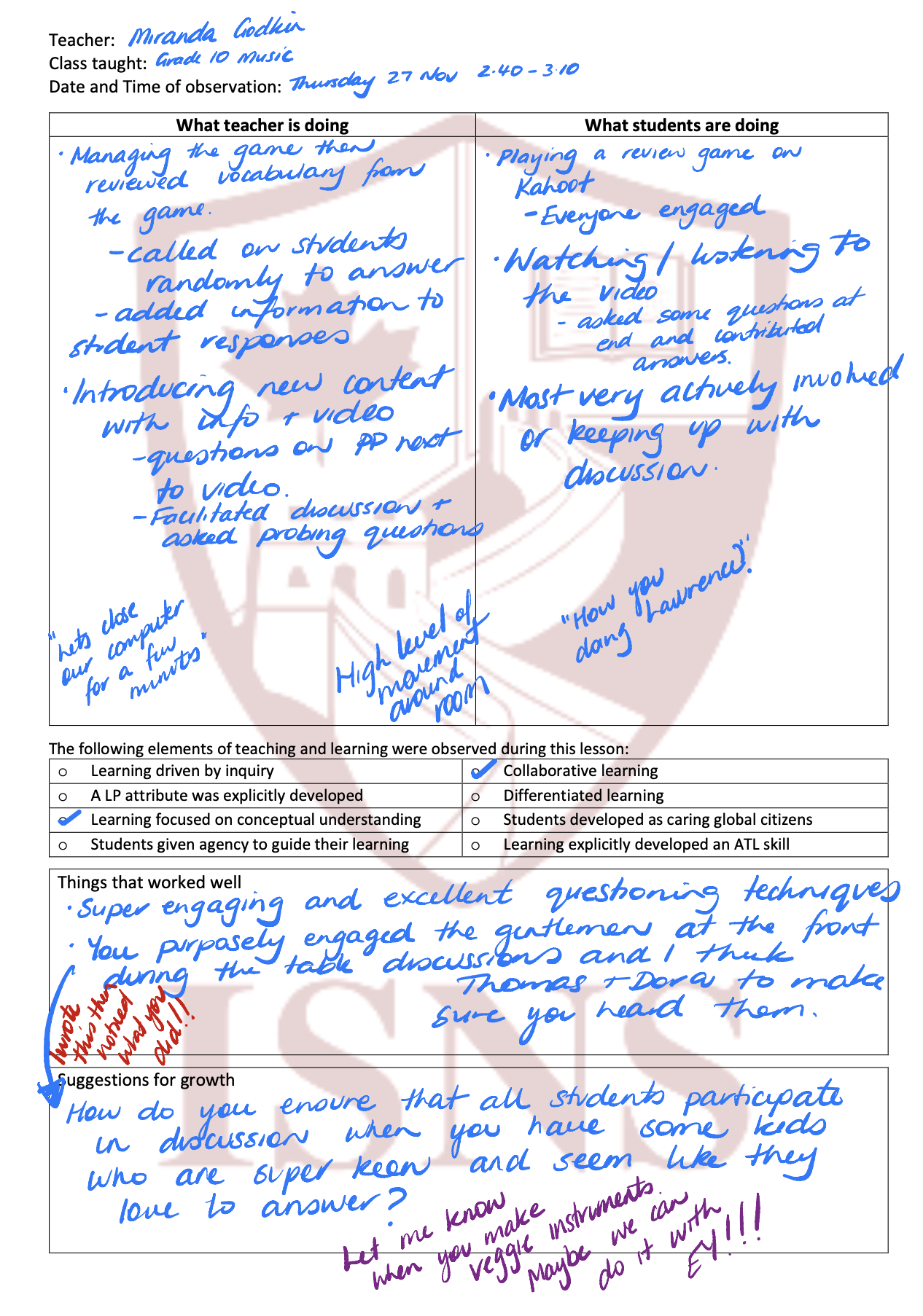
Principal Observation - Nov 2025
I received observation feedback from my Principal following a Grade 10 Music lesson that focused on a review game and the introduction of new content through video clips and discussion. I was pleased to read that the Principal noted a high level of student motivation and engagement, with all students actively participating in the Kahoot review game. The feedback also highlighted that my questioning techniques were engaging and excellent, and that I purposely made an effort to include quieter students during table discussions.
The observation noted that several key elements of effective teaching and learning were present in the lesson, including learning driven by inquiry, collaborative learning, learning focused on conceptual understanding, students given agency to guide their learning, and the explicit development of an ATL skill. This aligns directly with my professional growth goal of explicitly teaching ATL skills and measuring growth, and it was validating to see that my Principal recognised this element being put into practice during a routine lesson.
The observation also offered a constructive suggestion for growth. My Principal asked how I ensure that all students participate in discussion when some students are very keen and seem to love to answer. This is a challenge I have thought about before, particularly in a music classroom where some students are naturally more confident than others. Having this feedback in writing from my Principal gave me a clear focus for improvement.
In response to this feedback, I have since implemented two strategies. First, I introduced a "three before me" rule where I ask three different students to contribute before I add my own comments or call on the same keen students again. Second, I began using think pair share more deliberately, giving all students time to formulate an answer with a partner before I open the discussion to the whole class. These strategies have helped me create more space for quieter voices while still valuing the enthusiasm of my more confident students.
I am grateful for this observation and the specific, actionable suggestion for growth. It reminded me that even when a lesson is engaging and students are motivated, there is always room to refine my practice to ensure every student is included. This feedback has made me a more intentional teacher, and I feel good about the progress I have made since this observation.
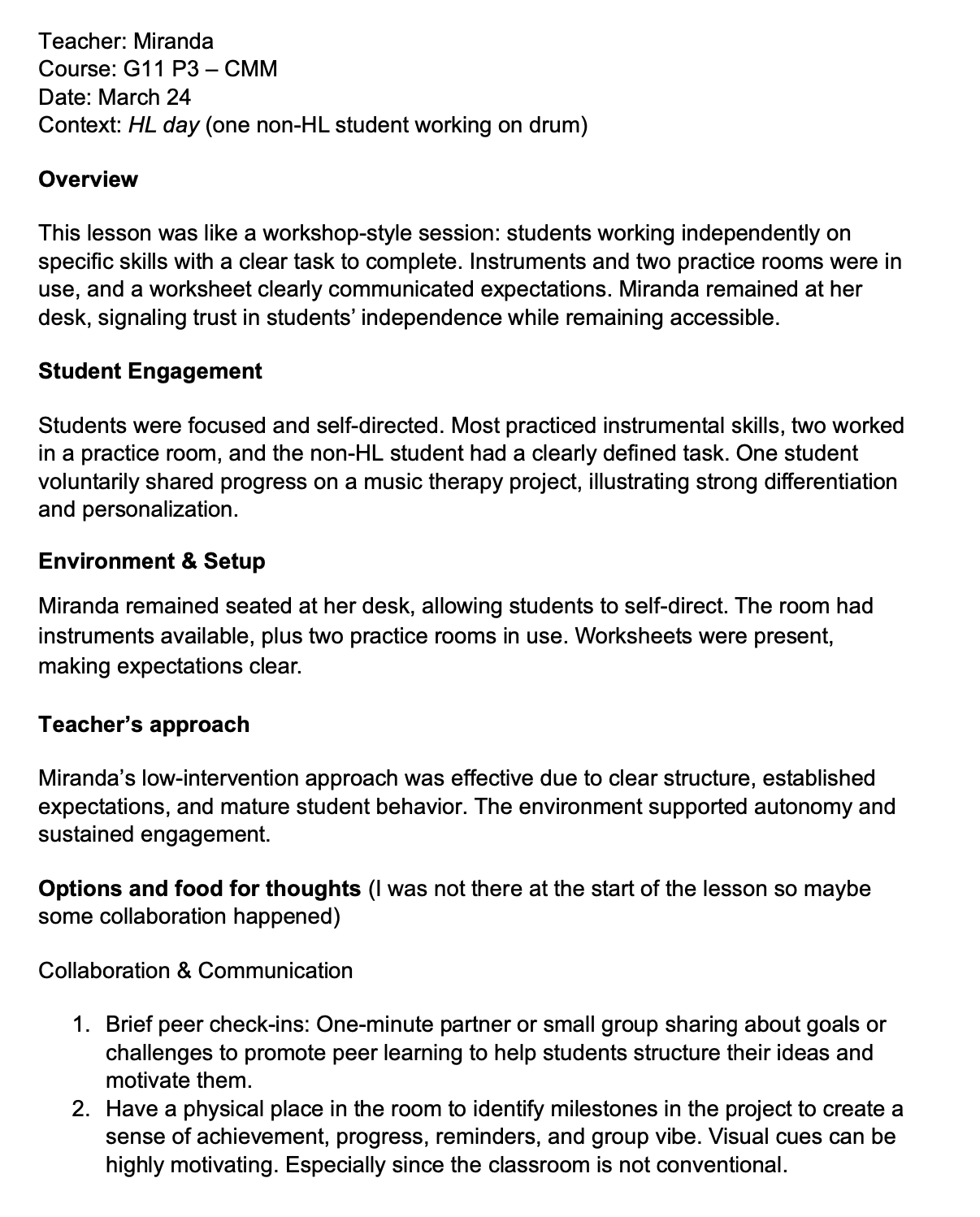
DP Coordinator Observation - March 2026
DP Coordinator Observation - March 2026
My DP Coordinator noted that I remained at my desk during the lesson, which signalled trust in my students' independence while keeping me accessible for support. I was pleased to read that students were focused and self directed, with most practicing instrumental skills and two students working productively in a practice room. The observation also highlighted that one student voluntarily shared progress on a music therapy project, which the Coordinator noted as illustrating strong differentiation and personalisation in my teaching.
The feedback described my low intervention approach as effective due to clear structure, established expectations, and mature student behaviour. The Coordinator observed that the environment supported autonomy and sustained engagement. This was encouraging to read because it confirmed that my efforts to build student independence and self management skills were working. This connects directly to my professional growth goal of explicitly teaching ATL skills, particularly self management and self regulation, and seeing evidence that students can apply these skills without constant teacher direction.
My Coordinator suggested brief peer check ins where students spend one minute sharing goals or challenges with a partner or small group to promote peer learning, help students structure their ideas, and motivate one another. She also suggested having a physical place in the room to identify milestones in a project. This could create a sense of achievement, progress, reminders, and group vibe, with visual cues being highly motivating, especially since my classroom is not conventional in its layout.
In response to this feedback, I have since implemented a few changes. I introduced a quick peer check in routine at the start of each workshop session. Students spend two minutes sharing what they plan to accomplish that day and any challenges they are facing. This has helped students articulate their goals and has also created more accountability and peer support. I will create a physical project milestone board on a blank section of my wall. Students add sticky notes to track their progress on major tasks. I’m hoping this will be motivating for students to see their own progress and the progress of their peers.
Implementing of the IB Philosophy
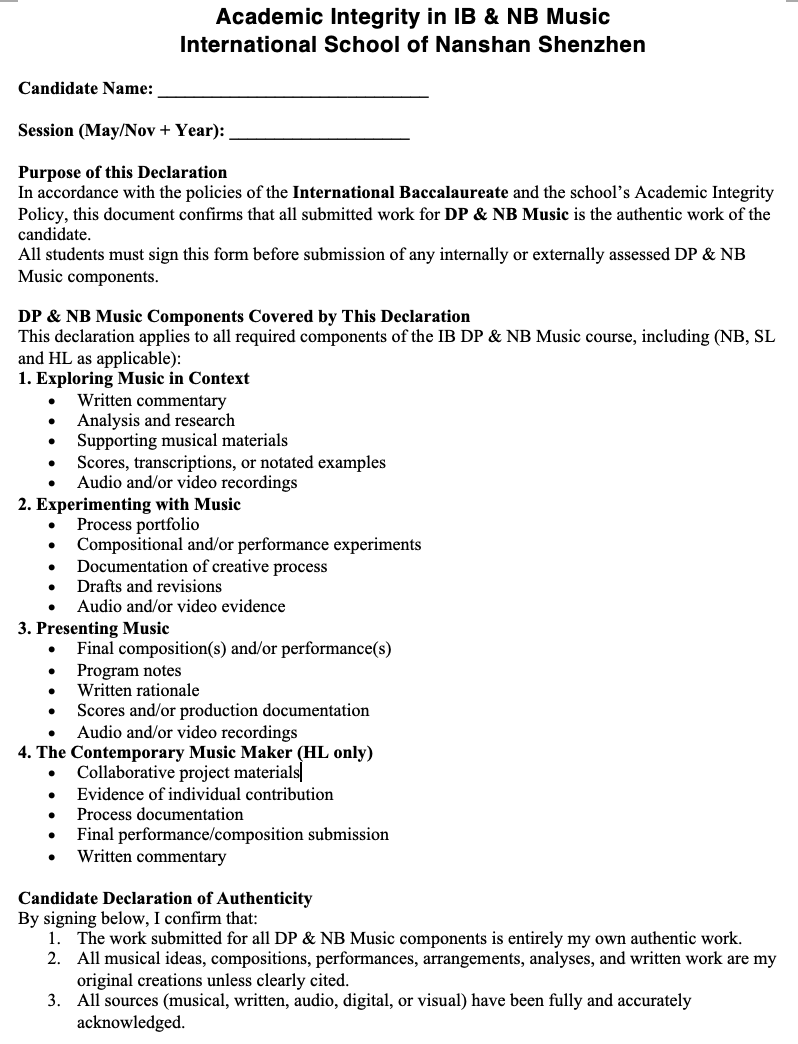
Academic Integrity for DP & NB Music - 2025-2026
Culture 3.1
The school implements and reviews an academic integrity policy that makes the school’s philosophy clear and is aligned with IB guidelines. (0301-03-0100)
I developed the "Academic Integrity in IB and NB Music" document to support IB Culture Standard 0301. This document implements the school's academic integrity policy within the specific context of music, where students may not realise that borrowing melodic lines or rhythmic structures without acknowledgment constitutes plagiarism. The document communicates expectations clearly by requiring student signatures for each DP Music component before submission. It is also designed for regular review, with fresh declarations completed each assessment cycle. The document aligns with IB guidelines by using official terminology and makes the school's philosophy clear through its purpose statement. It also addresses emerging challenges with an Artificial Intelligence Use Statement. I have shared this document with other performing arts teachers as a model, supporting a consistent culture of ethical academic practice across the department.
Professional Development
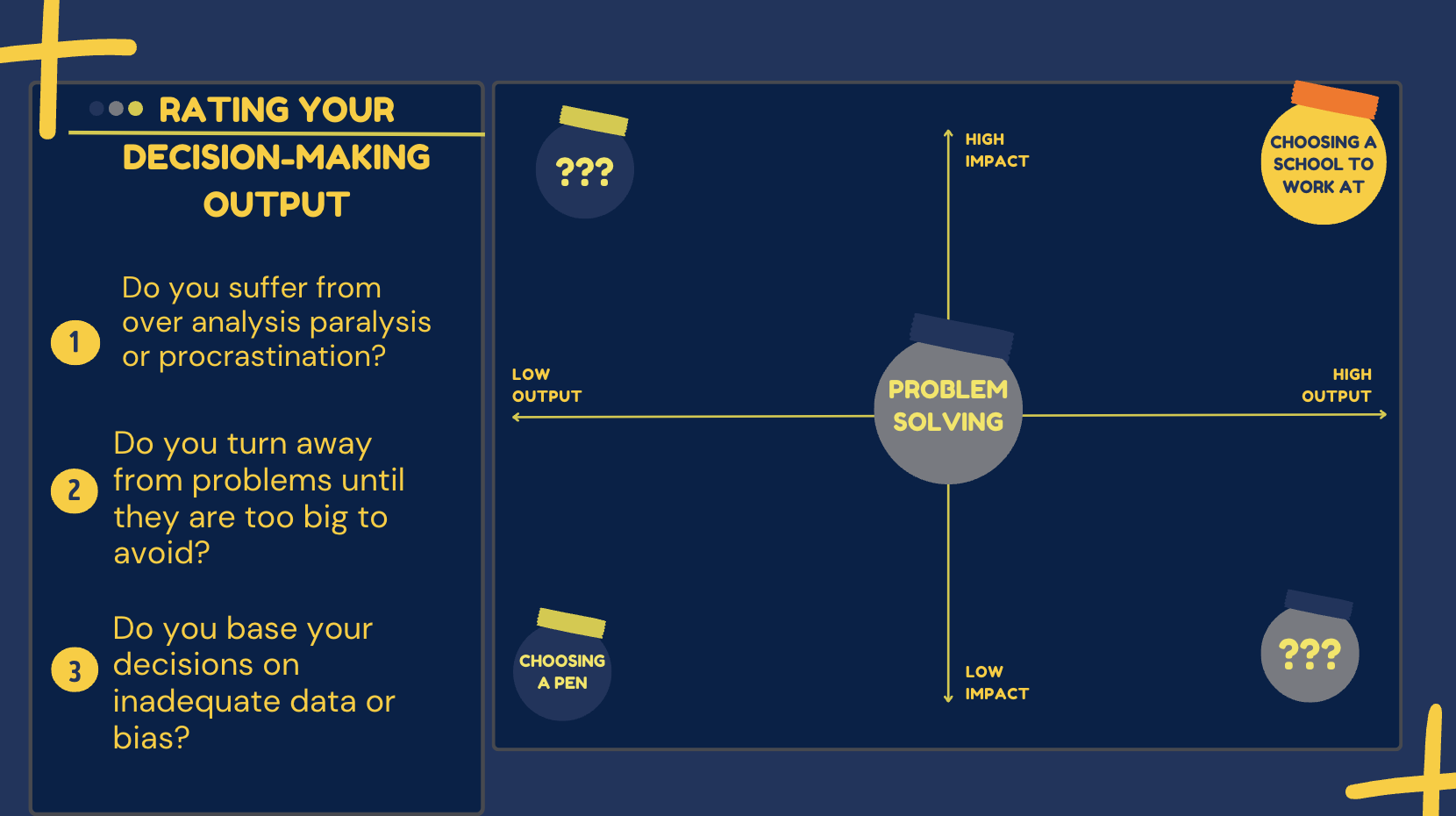
I related to this professional development session because there are days when making decisions becomes exhausting. As a music teacher and Head of Performing Arts, I am constantly choosing between competing priorities such as lesson planning, departmental administration, student support, and event coordination. By the end of a long rehearsal day or before a major production, even small decisions like selecting a warm up exercise can feel overwhelming. The session helped me name this experience as decision fatigue.
PD Session - “Decisions Decisions Decisions”
November 2025
I found this session beneficial in weighing which decisions required more time. Not every choice needs deep analysis. Some decisions are low impact and can be made quickly to preserve mental energy for what truly matters. This framework has given me permission to let go of perfectionism on minor choices.
An example I use frequently is to decide and prioritise which tasks require my time each day. Rather than treating every item on my to do list equally, I now identify my top three priorities each morning. This simple practice has reduced my daily decision fatigue significantly.
Technology Standards
ISTE 2.7 Analyst
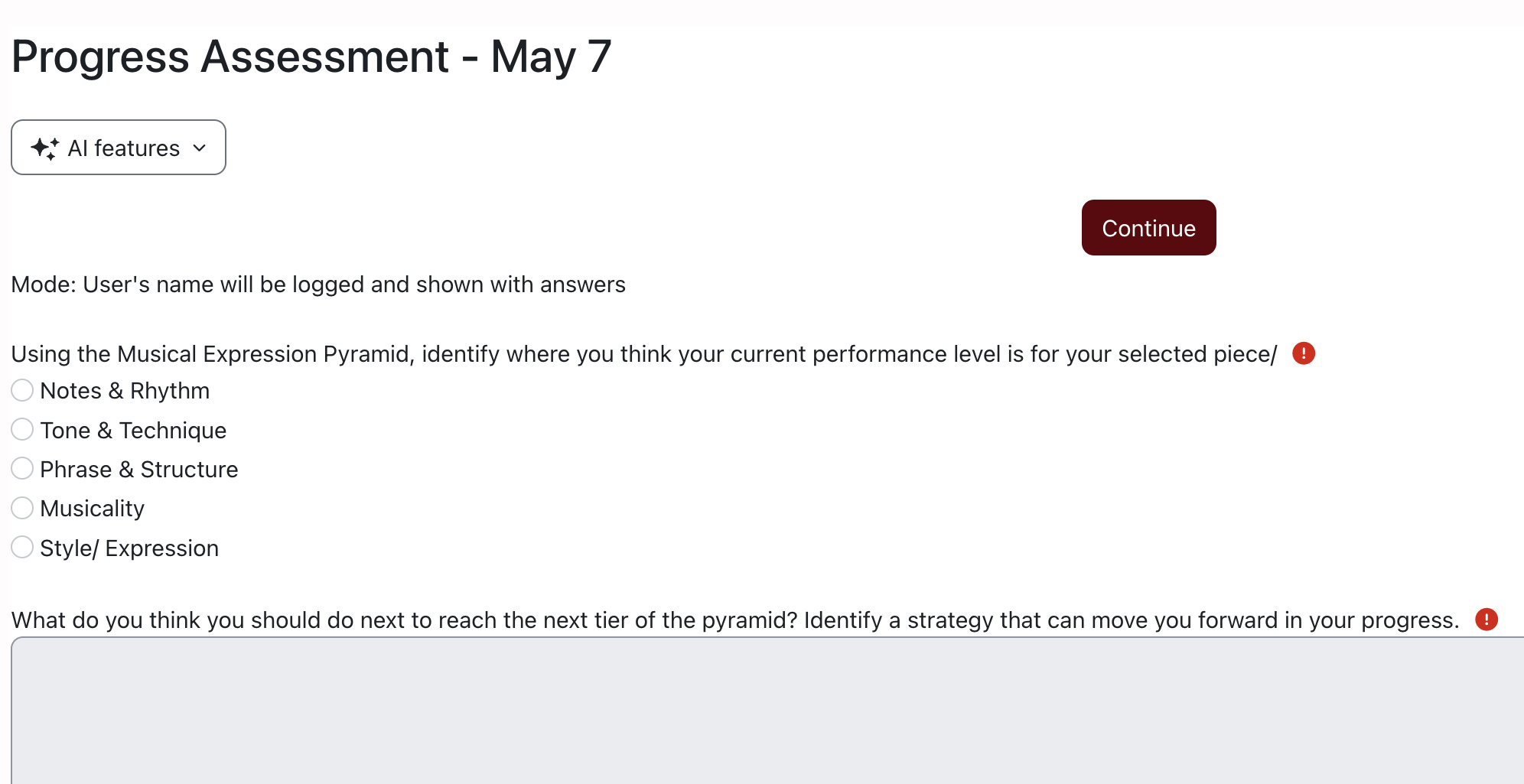
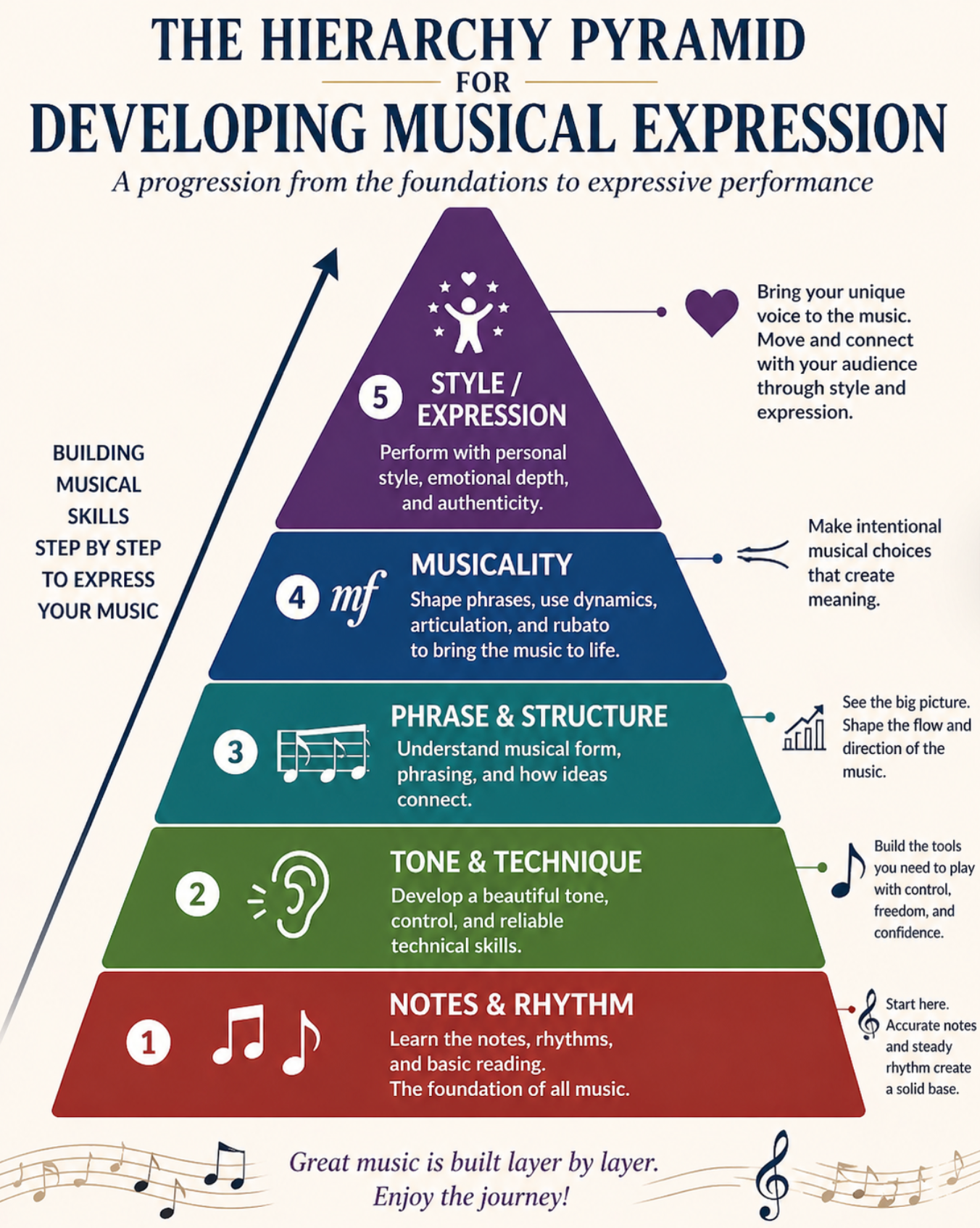
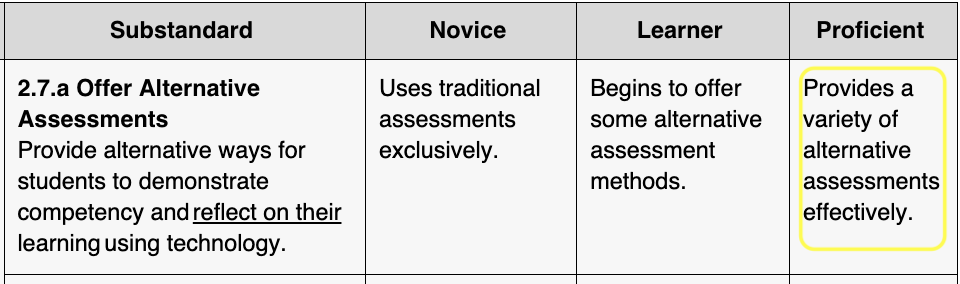
The task uses Moodle as a digital platform to offer students an alternative method of demonstrating their musical competency beyond a traditional performance-based assessment. Students reflect on their current level across five specific criteria from the Musical Expression Pyramid. This self-assessment allows students to show their understanding of their own progress in a digitally written, reflective format. The task also captures student names and answers digitally, enabling me to track individual growth over time and analyze patterns in student identified strategies.
ISTE 2.6 Facilitator
I model creativity by providing students with a variety of descriptive prompts that demonstrate how to translate emotional and visual concepts into musical parameters. Prompts such as "gentle, hopeful orchestral piece with soft piano" or "dark, glitchy electronic with a sense of paranoia" show students how to articulate creative intent using specific tempo, instrumentation, and mood descriptors.
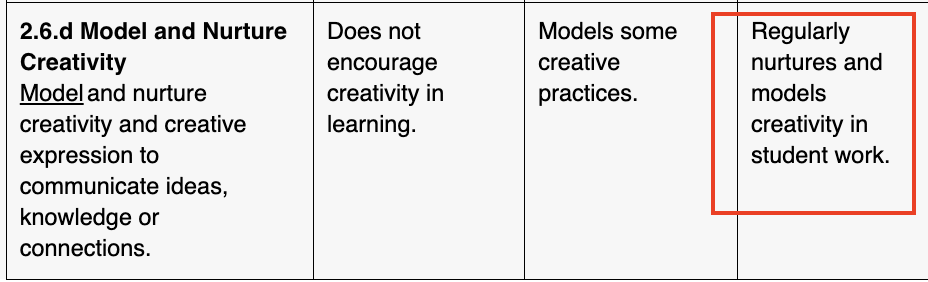
ISTE 2.6.d Facilitator
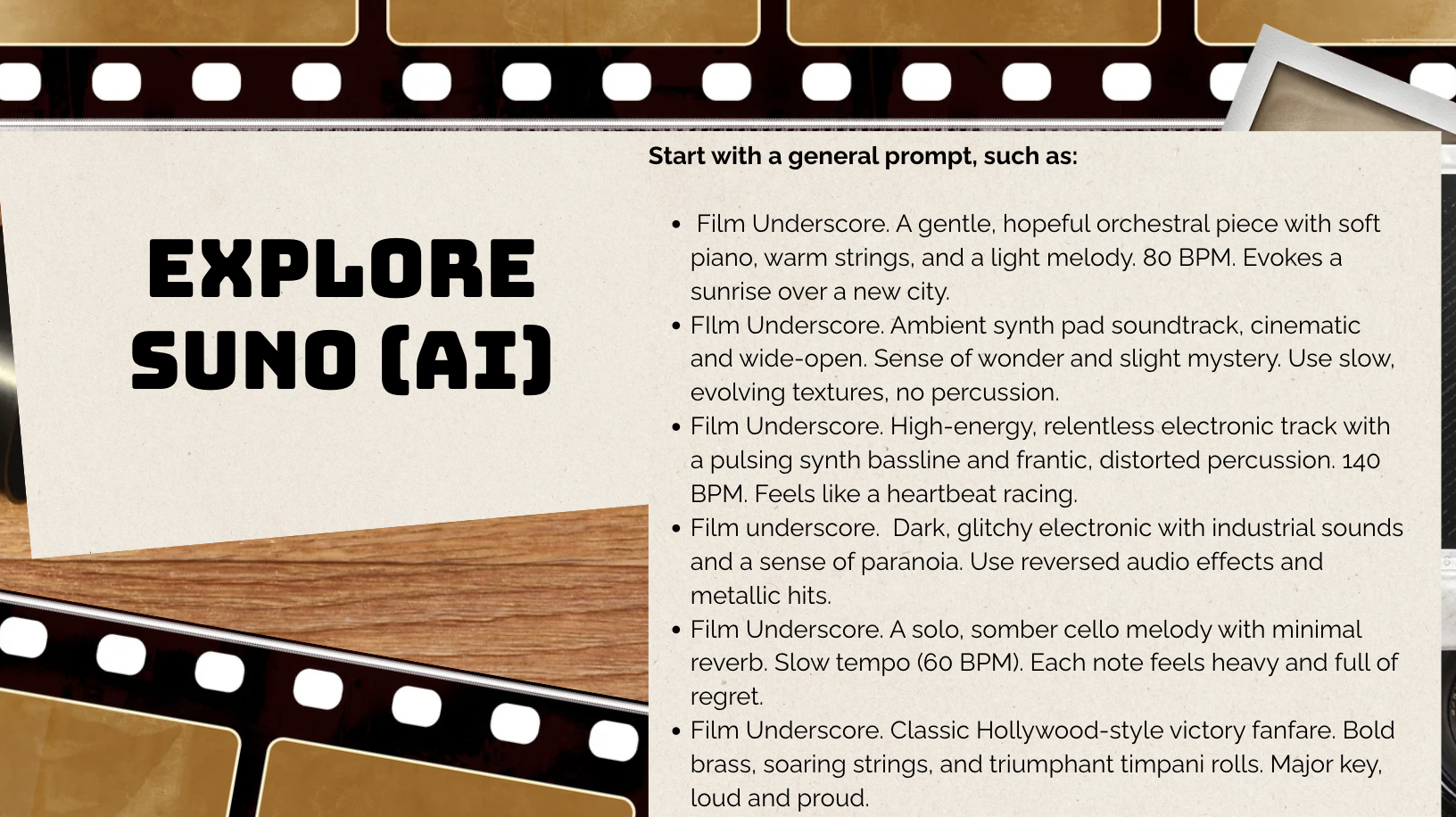
The task nurtures student creativity by having them generate their own original prompts for Suno AI. Students are not simply copying existing work. They must communicate their own ideas, knowledge of musical elements, and personal connections through descriptive language. This process encourages creative expression while using AI as a collaborative tool, not a replacement for student imagination.